Tribal Intertidal Digital Ecological Surveys (TIDES)
Environmental Stewardship
We conduct annual large-area imaging to create high resolution 3D habitat models of the rocky intertidal zone at traditional gathering sites, with which species composition and ecological data is extracted and analyzed, to capture and study long-term shifts in culturally important species such as seaweed and mussels, potentially linked to climate change and other anthropogenic impacts.

Surf Smelt Monitoring
Environmental Stewardship
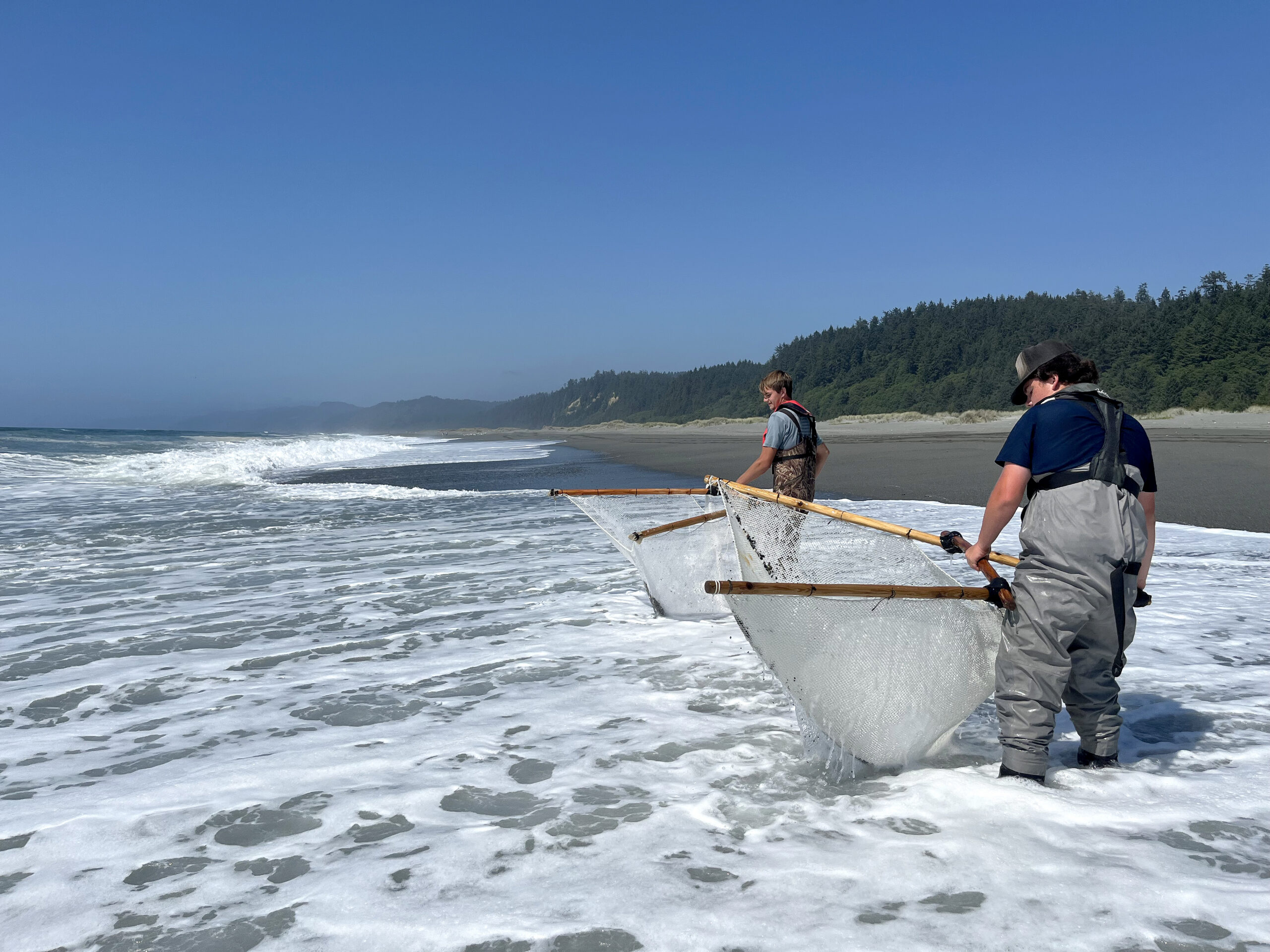
Using traditional dip-nets, we conduct seasonal sampling of spawning surf smelt in order to identify factors influencing spawning timing and distribution, as well as collect data on the biological paraments of spawning individuals of this once highly sought-after traditional food source. We also collect eDNA samples to understand the presence and distribution of other smelt species such as night smelt and candlefish, which are typically more challenging to sample for.
Harmful Algal Bloom and Mussel Biotoxin Monitoring
Environmental Stewardship
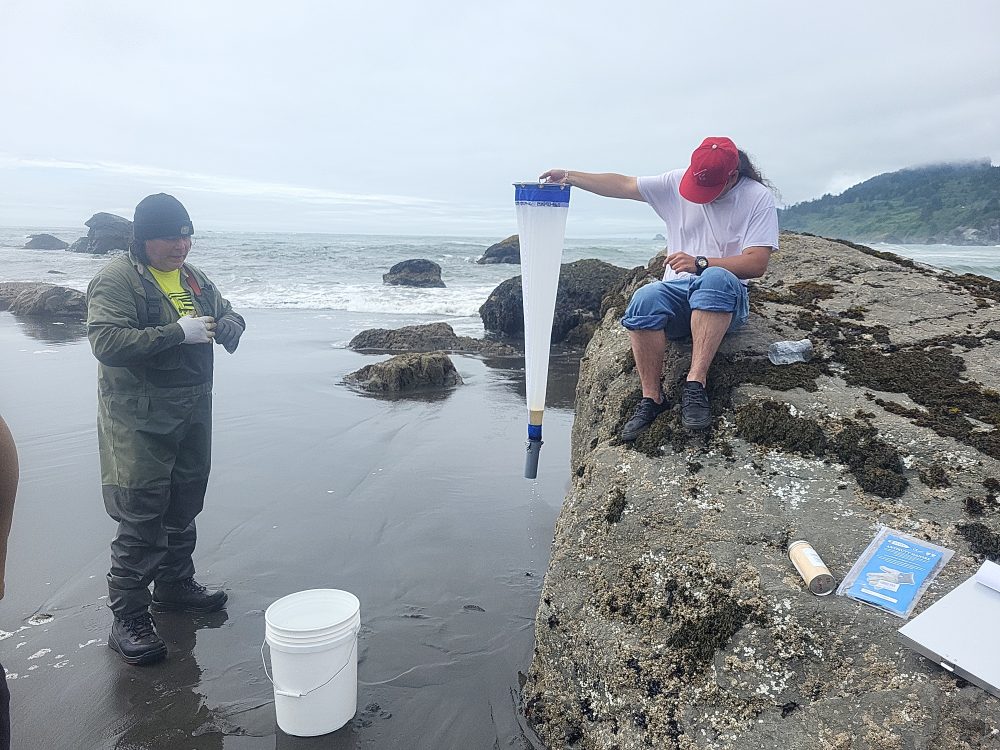
Certain phytoplankton species can produce biotoxins in mussels and other shellfish that pose serious public health risks to Tribal community members. We collect seawater samples and conduct microscopy analysis to track phytoplankton blooms along local beaches as well as collect mussel tissue samples to test for biotoxin presence, and keep the Tribal community informed.

Ocean Stewards Camp
Community Engagement & Tribal Capacity Building
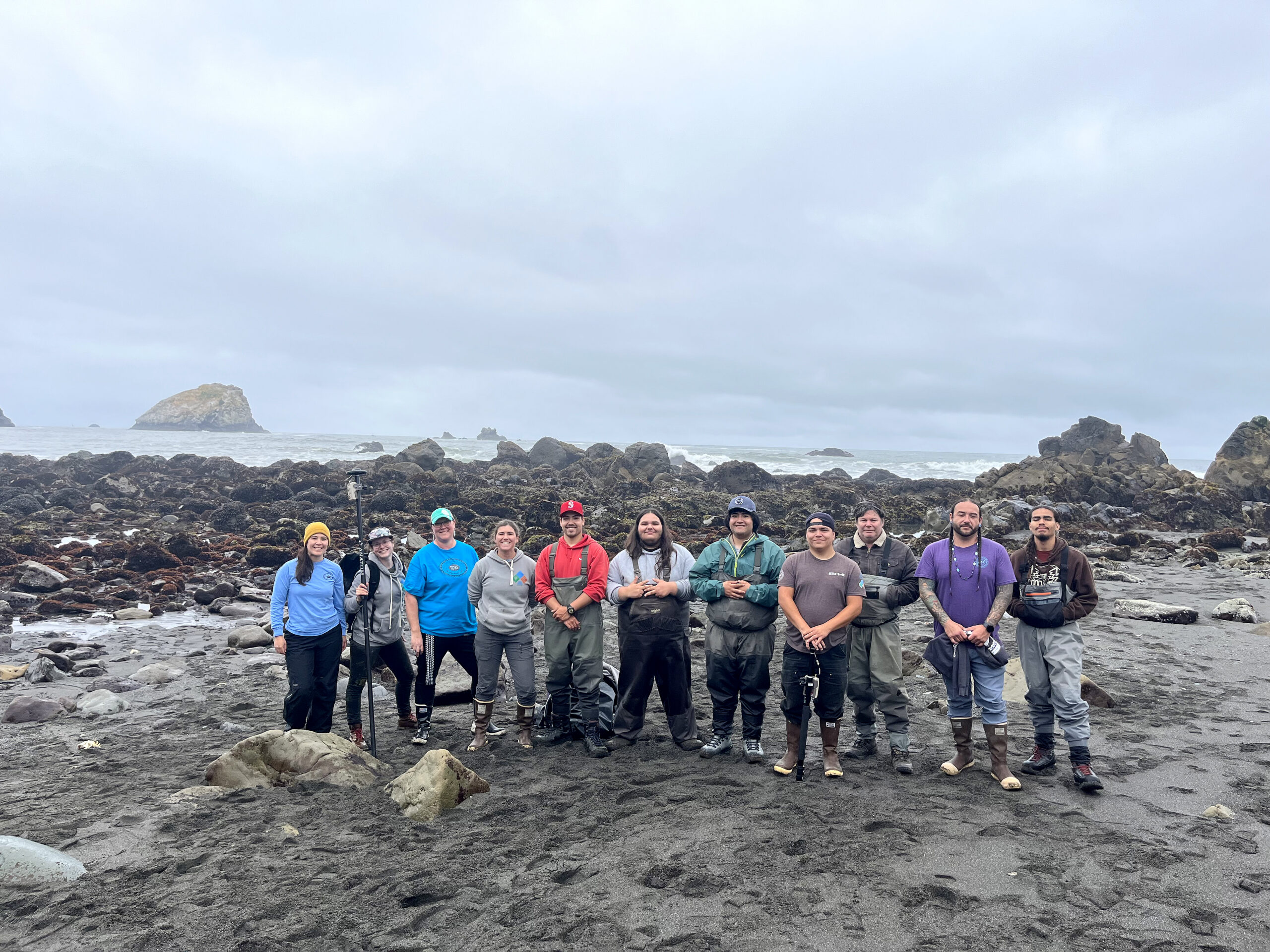
The Tribe hosts an annual summer camp for local tribal youth. Campers are introduced to marine science and cultural education, including the understanding of important land to sea connections, water quality and ocean health, as well as scientific monitoring techniques the Tribes Marine Program employs. Pulikla Tribal Citizens and cultural knowledge bearers participate in the camp and share traditional ways of caring for the ocean and coast.